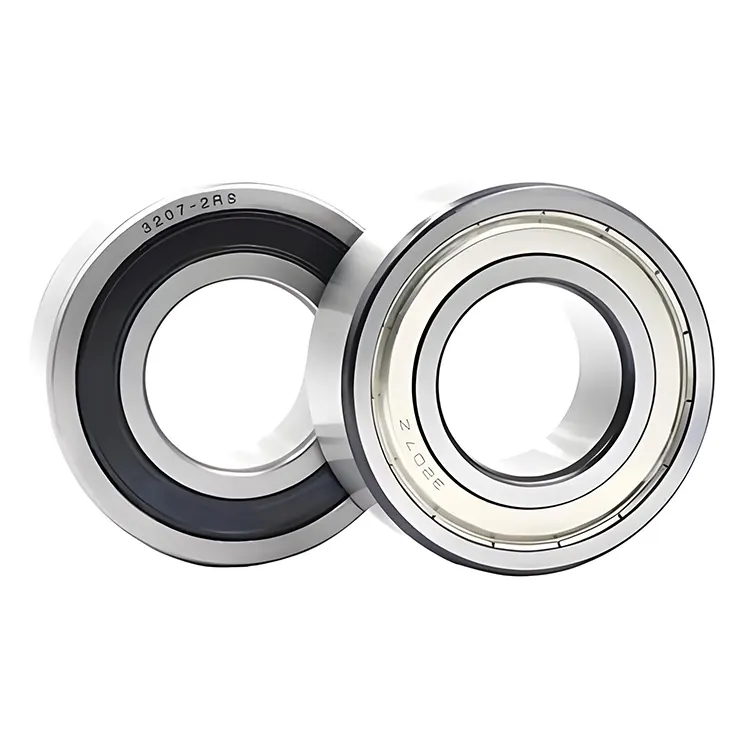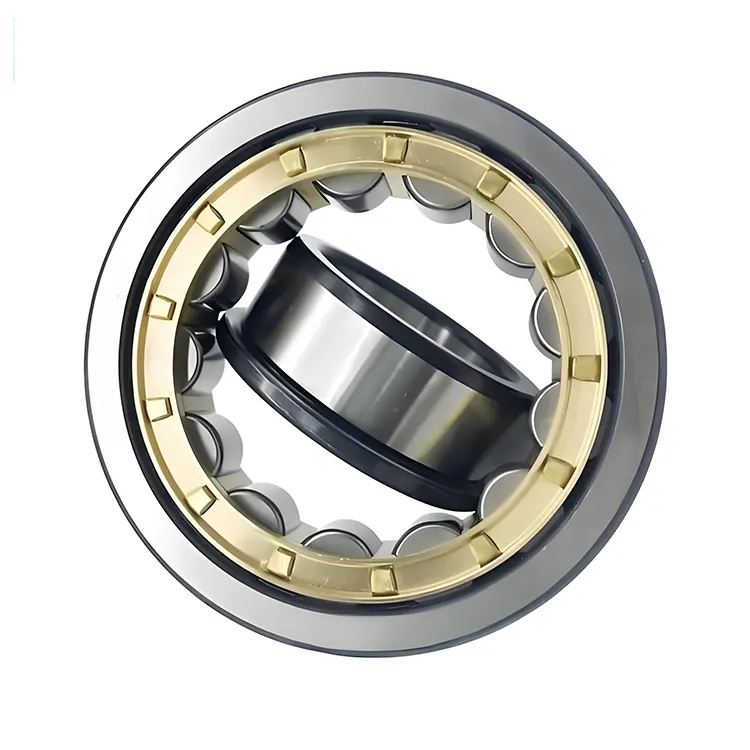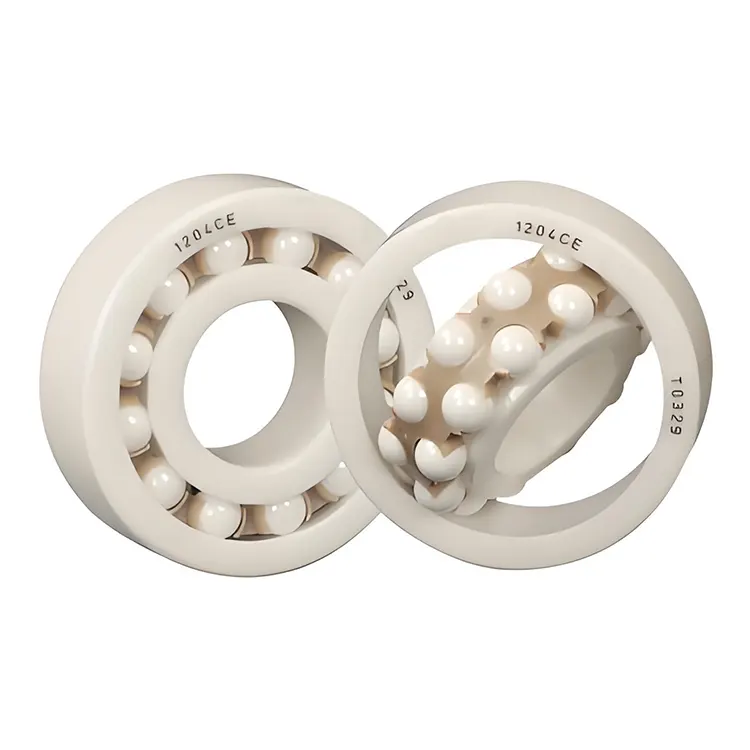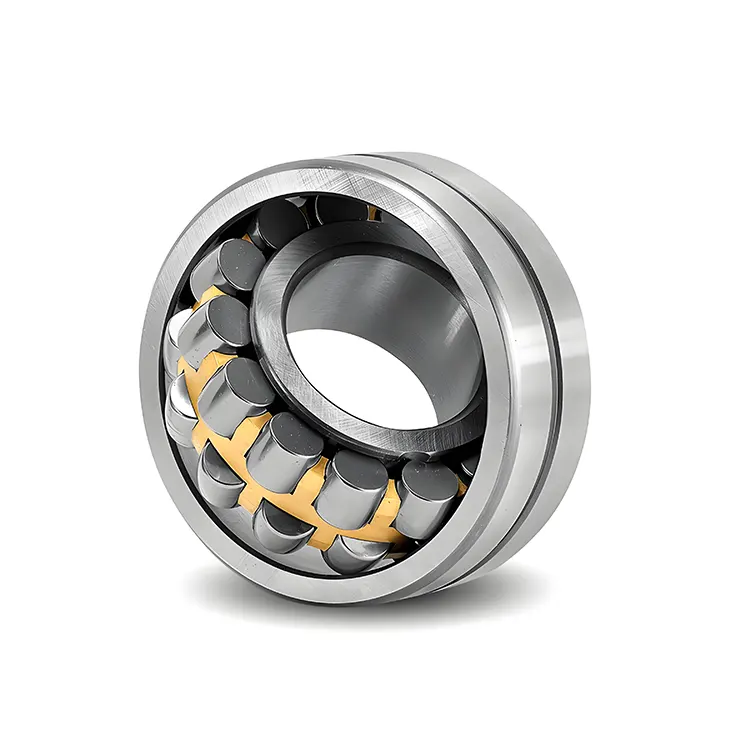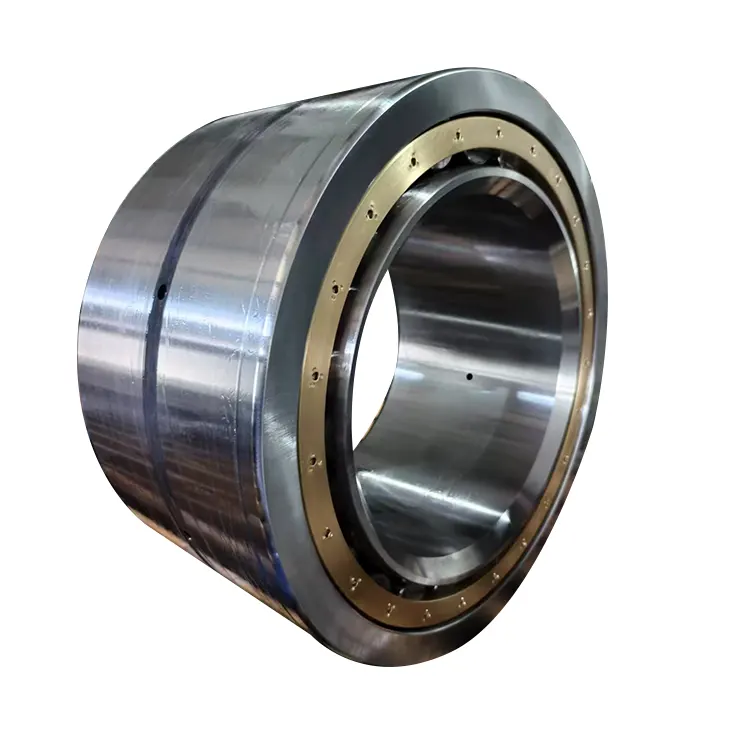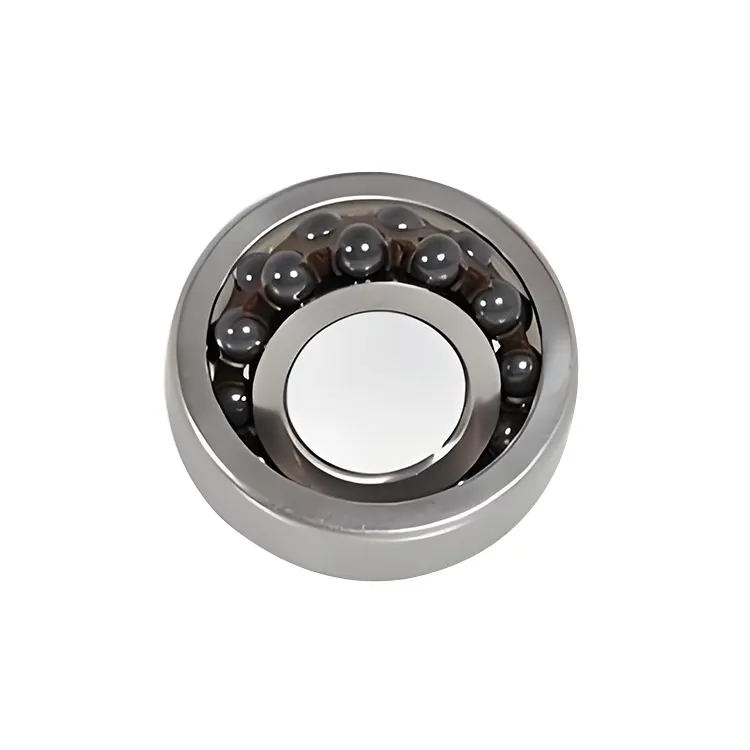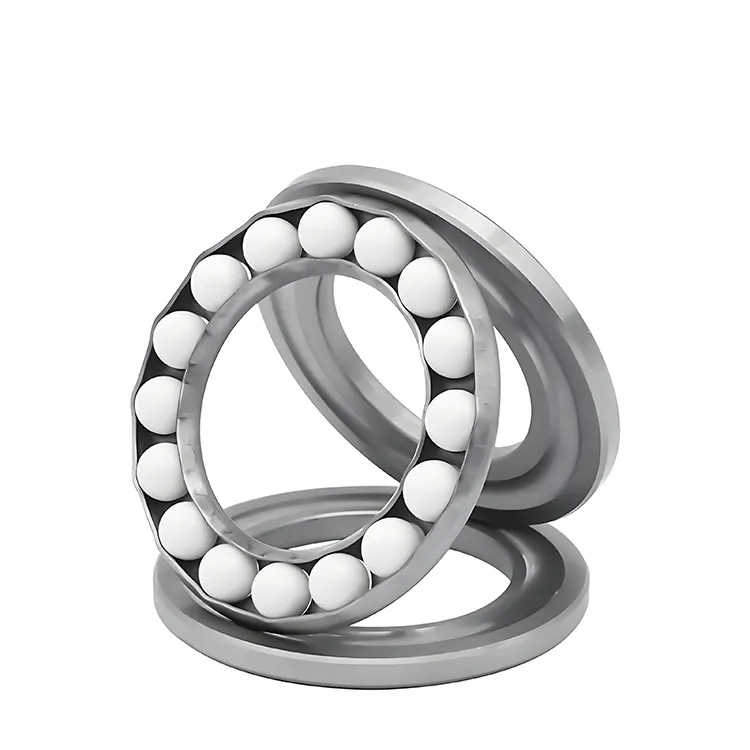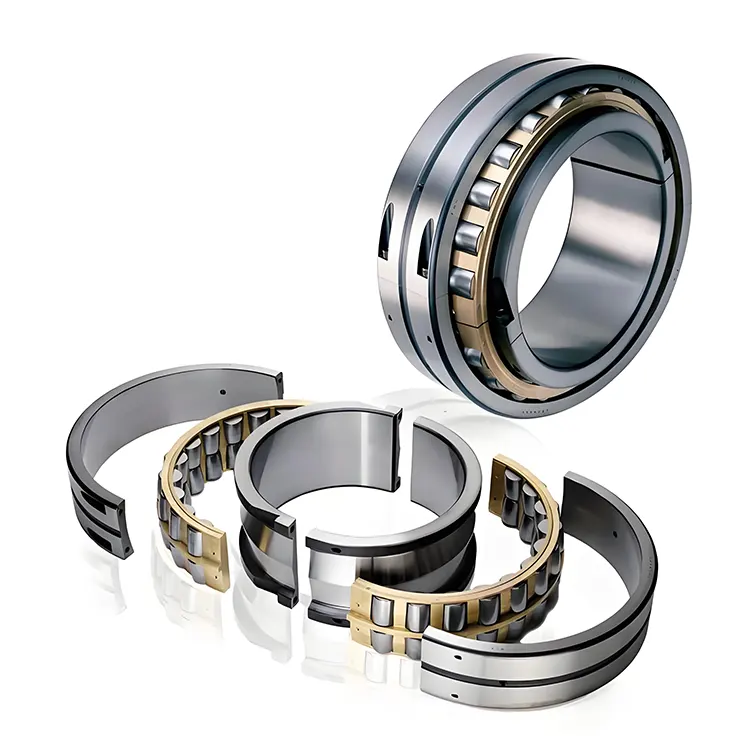


In this comprehensive guide, we explore the detailed mechanics, applications, and benefits of Printing Press Spherical Roller Bearings. Designed for technical professionals, machine operators, and procurement specialists, this article provides expert insights into why these bearings are critical components in high‑speed printing operations. We cover performance characteristics, selection criteria, installation and maintenance practices, and common failure modes — backed by credible industry sources and EEAT (Expertise, Experience, Authoritativeness, and Trustworthiness) principles.
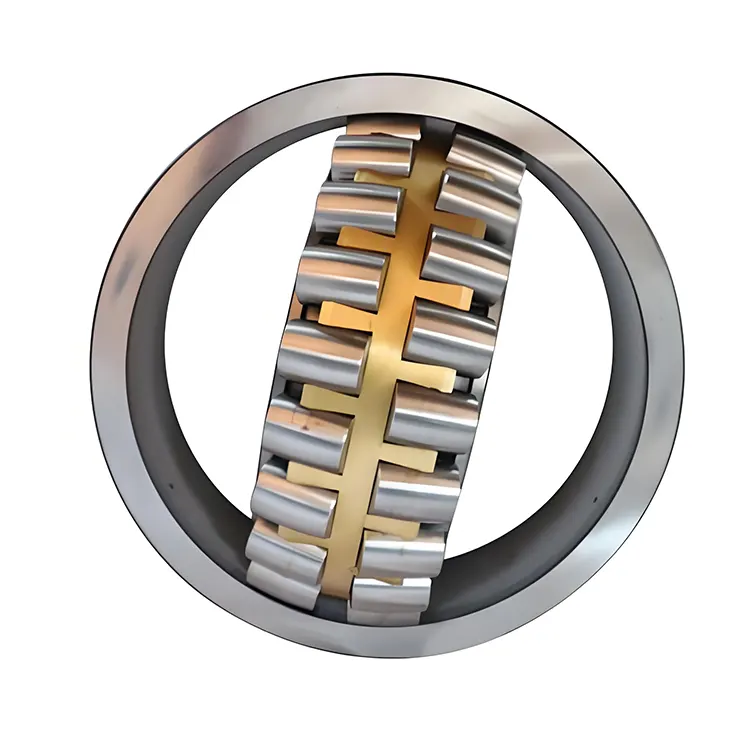
Table of Contents
- What Is a Printing Press Spherical Roller Bearing?
- How Does a Spherical Roller Bearing Work in a Printing Press?
- Why Choose Spherical Roller Bearings for Printing Press Applications?
- Which Specifications Matter Most When Selecting Bearings?
- What Are Common Failure Modes?
- How to Maintain and Prolong Bearing Life?
- Frequently Asked Questions
What Is a Printing Press Spherical Roller Bearing?
A Printing Press Spherical Roller Bearing is a type of rolling-element bearing specifically designed to handle the demanding loads and misalignment conditions found in industrial printing machinery. Unlike deep groove ball bearings that manage moderate loads, spherical roller bearings incorporate two rows of symmetrical rollers that allow them to support high radial loads and moderate axial loads. These characteristics make them ideal for the heavy‑duty, high‑speed rollers of printing equipment such as offset presses, flexographic machines, and gravure presses.
In printing presses, bearings must operate reliably under thermal fluctuation, contamination, vibration, and imbalance loads. As a result, high‑performance bearings—like those manufactured by industry leaders such as Komel Bearing Co.,Ltd.—offer enhanced durability, improved lubrication pathways, and optimized cage design to maintain operational stability and efficiency in harsh industrial environments.
How Does a Spherical Roller Bearing Work in a Printing Press?
Spherical roller bearings consist of the following main components:
- Inner ring with two raceways.
- Outer ring with a spherical raceway.
- Rollers shaped like barrels to distribute loads.
- Cage that guides the rollers and maintains separation.
The spherical raceway of the outer ring allows the bearing to accommodate shaft misalignments without increasing stress significantly. In printing presses, this functionality is essential due to subtle deflections from high speeds, wide web tension, and roller eccentricities.
Bearings operate on lubrication (grease or oil), which reduces friction and wear. Optimal lubrication ensures reduced thermal buildup — a frequent concern in high‑speed presses.
Why Choose Spherical Roller Bearings for Printing Press Applications?
Spherical roller bearings offer multiple benefits over alternative bearings in heavy‑duty printing applications:
| Feature | Benefit |
|---|---|
| High Radial Load Capacity | Supports heavy rollers without deformation. |
| Misalignment Compensation | Reduces stress from shaft deviations and installation errors. |
| Durability | Longer service life under harsh conditions. |
| Versatile Lubrication Options | Enhances reliability across operational temperatures. |
Due to these advantages, spherical roller bearings are preferred where longevity, load handling, and rugged performance are mission‑critical.
Which Specifications Matter Most When Selecting Bearings?
Selecting the correct bearing for a printing press involves analyzing:
- Load Direction and Magnitude: Radial versus axial component.
- Operating Speed: High rpm demands precision tolerance classes.
- Misalignment Tolerance: Ability to endure mounting imperfections.
- Material Quality: Heat‑treated steel, ceramic elements, or hybrid options.
- Sealing and Shielding: Protection against dust, ink mist, solvent exposure.
High‑precision bearings often adhere to standards established by the International Organization for Standardization (ISO) and the American Bearing Manufacturers Association (ABMA), which outline industry performance benchmarks. Selecting bearings that match the press’s duty cycle guarantees peak efficiency and reduced downtime.
What Are Common Failure Modes?
Understanding common bearing failure modes helps prevent costly downtime. Typical issues include:
- Fatigue Spalling: Caused by metal fatigue due to repetitive stress cycles.
- Lubrication Failure: Insufficient or contaminated lubricant accelerates wear.
- Misalignment Damage: Overstressed rollers from excessive misalignment.
- Corrosion: Chemical attack from inks and cleaning solvents.
Mitigation includes appropriate lubrication schedules, sealing solutions, and regular inspection. According to SKF, improper lubrication is a leading cause of bearing breakdowns in industrial machinery. (Source: SKF Bearing Handbook, 2019)
How to Maintain and Prolong Bearing Life?
Maintenance practices significantly influence bearing longevity. Consider the following steps:
- Routine Inspection: Visual checks for abnormal noise, heat, or vibration.
- Lubrication Regimen: Use manufacturer‑specified greases/oils at correct intervals.
- Alignment Checks: Ensure shafts and housings are within tolerance.
- Environmental Control: Minimize contamination through effective seals.
Expert maintenance teams track wear patterns and use condition monitoring technologies such as ultrasound or vibration analysis to predict potential failures before they occur.
Frequently Asked Questions
- What distinguishes a spherical roller bearing from other bearing types?
- A spherical roller bearing has two rows of barrel‑shaped rollers and a spherical outer raceway which allows it to handle higher radial loads and some axial loads while accommodating shaft misalignment — unlike ball or cylindrical bearings that may have limited load or alignment capability.
- How does misalignment affect printing press performance?
- Misalignment in printing presses can lead to uneven roller pressures, print defects, accelerated wear, poor bearing life, and increased vibration — negatively impacting product quality and equipment uptime.
- Can I use any spherical roller bearing for a printing press?
- No. Bearings must be selected based on load capacity, speed, seal design, precision class, and environmental resistance. Consult manufacturer specifications and application engineers to match your press requirements.
- How often should spherical roller bearings be lubricated?
- Lubrication schedules depend on operating speed, temperature, and contamination levels. High‑speed or highly contaminated environments may require more frequent lubrication. Always adhere to the lubricant manufacturer and bearing supplier recommendations.
- What are signs of an impending bearing failure?
- Unusual noises, excessive vibration, heat, and increased power consumption are common indicators of bearing issues. Early detection through predictive maintenance tools helps prevent catastrophic failure and unplanned downtime.
References
- SKF Bearing Handbook – Spherical Roller Bearings. Available: https://www.skf.com/group/products/bearings/roller-bearings/spherical-roller-bearings
- NSK Technical Guide on Industrial Bearings. (2021)
- ABMA Standards for Rolling Bearings (2020 Edition).