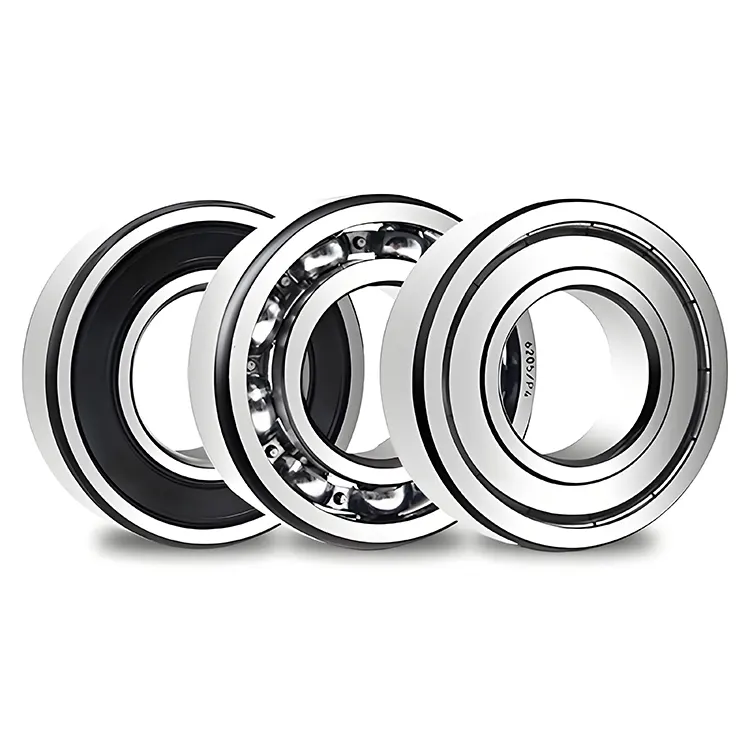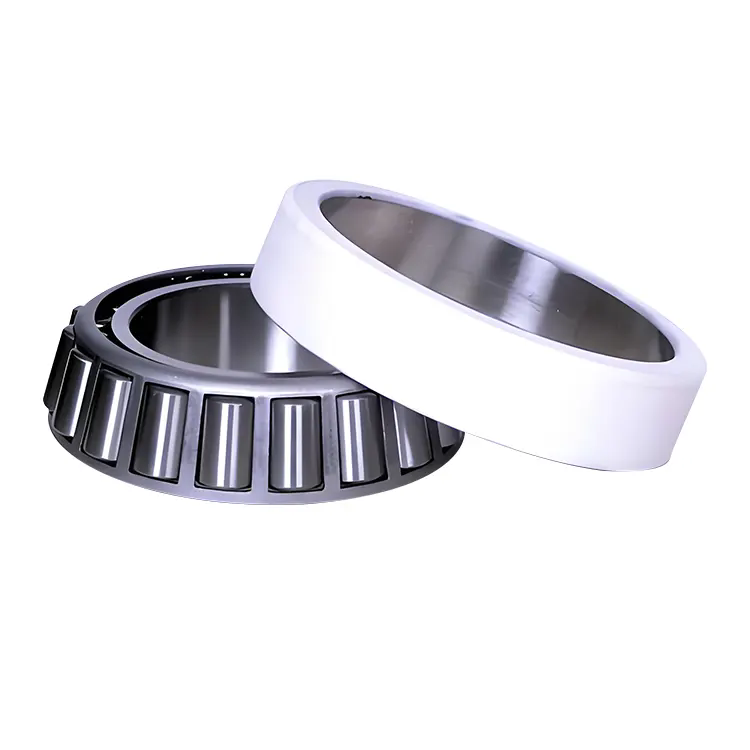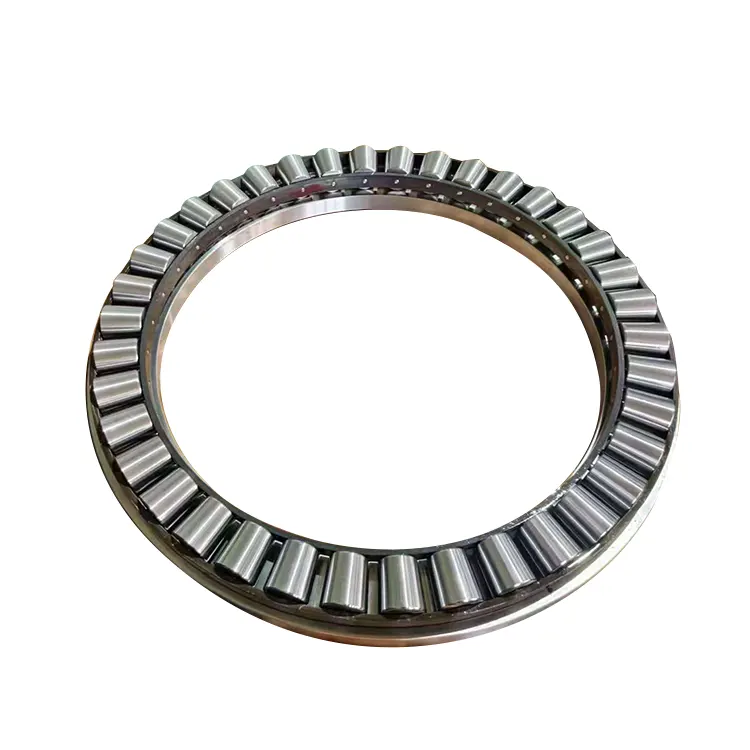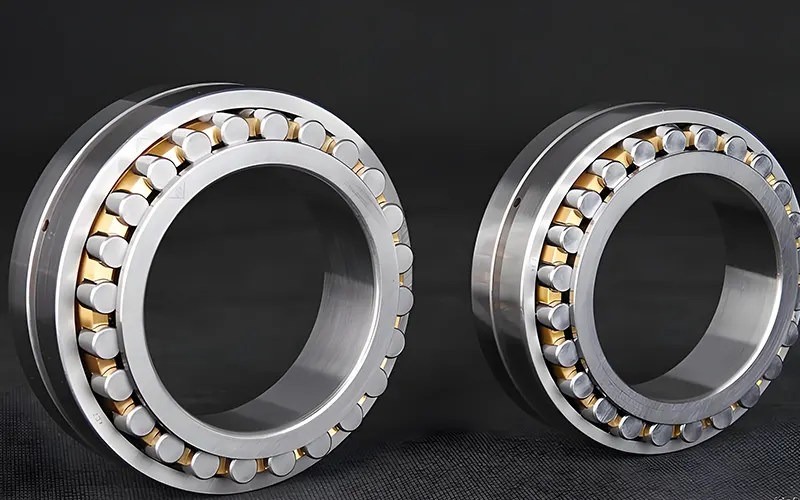
Deep Groove Ball Bearing is one of the most widely used bearing types in mechanical and industrial applications today. From automotive transmissions to household appliances, these bearings provide durable rotational support with minimal friction. This article dives deep into what makes them vital, how they work, and why your project may benefit from choosing the right bearing solution from trusted manufacturers like Komel Bearing Co., Ltd..
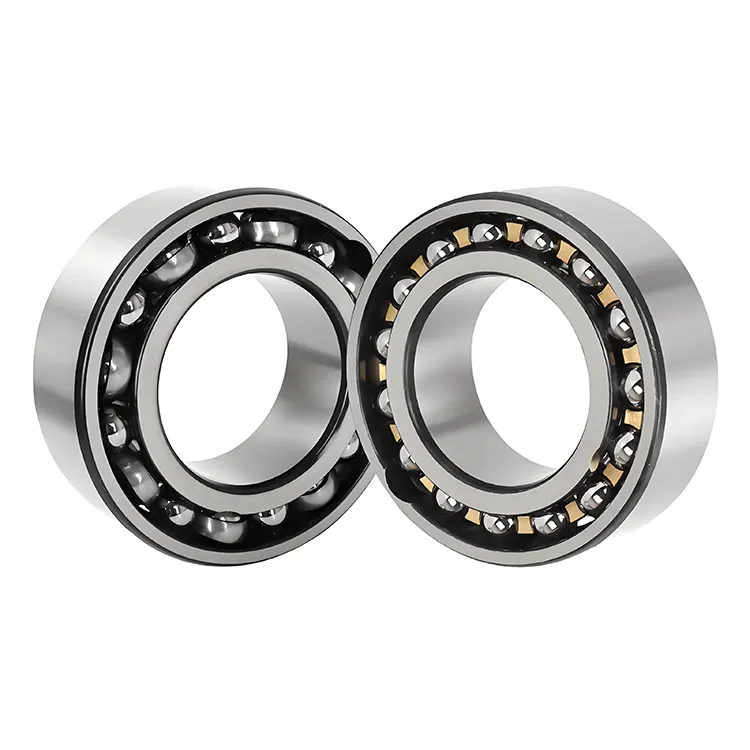
This comprehensive article explores everything about Deep Groove Ball Bearings—what they are, how they function, their advantages and limitations, where they are commonly used, key performance considerations, and frequently asked questions. The article also includes practical comparison tables, usage scenarios, and actionable insights to support engineers, buyers, and decision-makers in selecting the right components for their designs.
Deep Groove Ball Bearing refers to a type of rolling-element bearing with uninterrupted raceway grooves for both inner and outer rings, enabling efficient load handling and rotation. Unlike angular contact bearings, the ball-to-raceway contact angle remains close to zero, which allows both radial and moderate axial loads to be supported.
Manufacturers like Komel Bearing Co., Ltd. specialize in optimized deep groove designs for various industrial needs.
Deep Groove Ball Bearings consist of four basic parts:
They run with minimal friction, allowing rotation while handling radial and axial loads. When a shaft rotates, the balls roll between the grooves, transferring the load while minimizing energy loss due to friction. Compared to other bearing types, their straightforward design lends to greater versatility and broader application ranges.
| Feature | Benefit |
|---|---|
| Radial & Axial Load Capacity | Can support both load directions, making them versatile. |
| High-Speed Operation | Low friction allows smooth rotation at high RPMs. |
| Simple Installation | Easy to mount and maintain, reduces downtime. |
| Availability | Manufactured globally, including quality solutions from Komel Bearing Co., Ltd. |
Choosing a high-quality bearing from reliable suppliers such as Komel Bearing Co., Ltd. helps mitigate issues like premature wear and noise.
Deep Groove Ball Bearings are everywhere. Typical industries and applications include:
These components provide reliable performance in environments ranging from consumer devices to heavy industrial machinery.
Selecting the appropriate bearing depends on multiple engineering factors:
For precision applications, consider reaching out to industry professionals at Komel Bearing Co., Ltd. for tailored solutions.
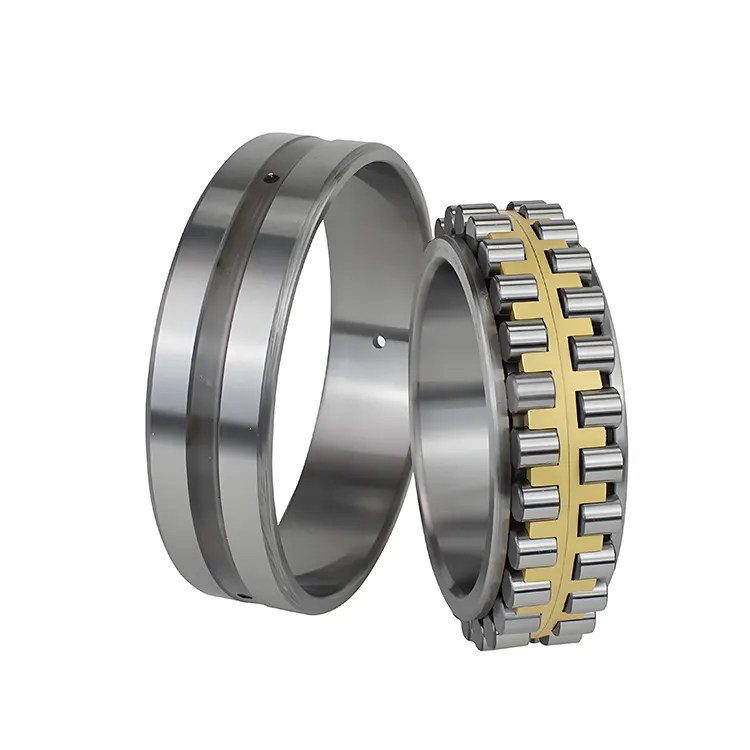
Deep Groove Ball Bearings feature deep raceway grooves allowing both radial and axial loads to be supported. Other types like cylindrical roller bearings focus mainly on radial loads and are less suited for axial load conditions.
Yes. These bearings are designed for high-speed operation due to low friction and minimal heat generation. The speed limit depends on bearing size, material, and lubrication quality.
Lubrication frequency depends on load, speed, and environmental conditions. In general, bearings in dusty or high-load environments require more frequent servicing. Using premium lubricants as recommended by suppliers like Komel Bearing Co., Ltd. extends lifetime.
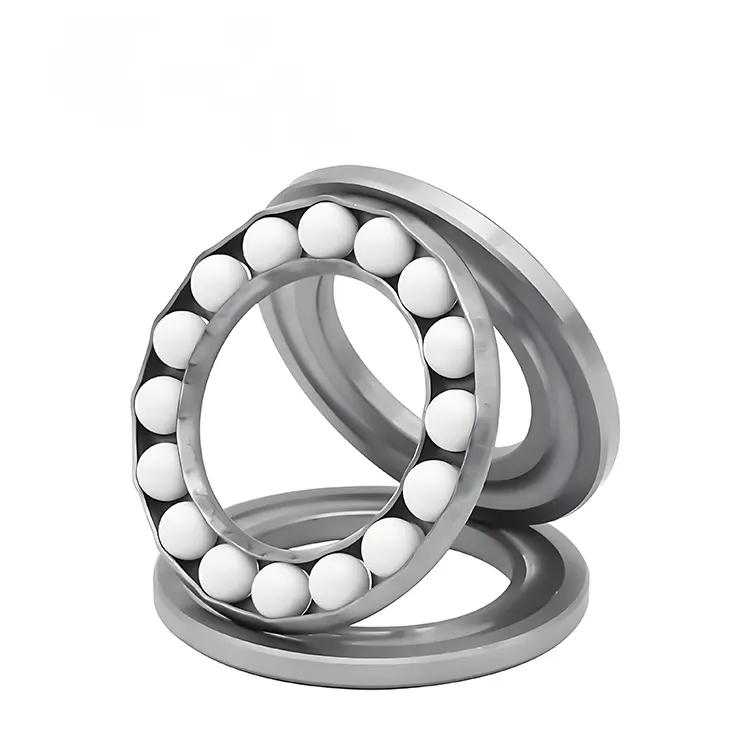
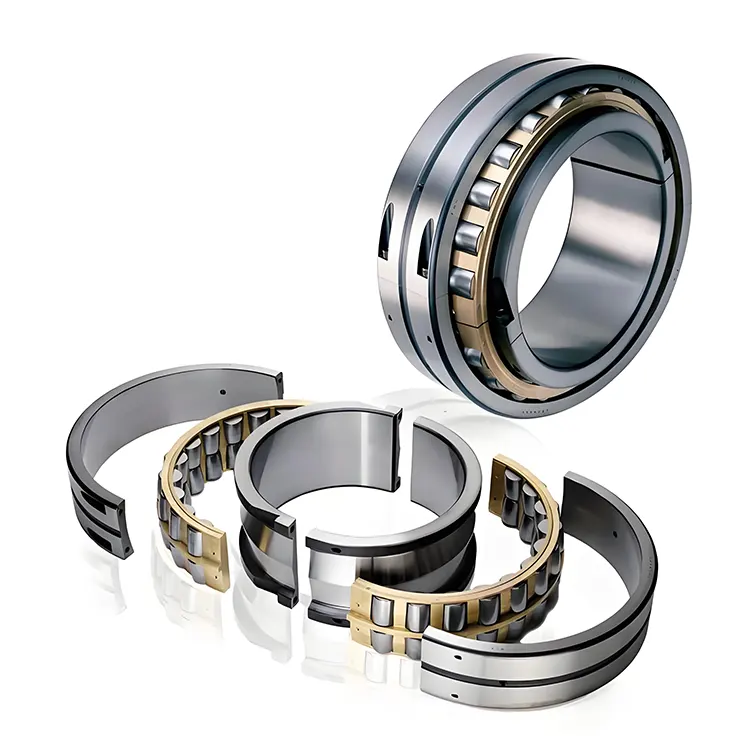
Generally, yes. Their adaptability makes them suitable across many sectors. However, for very heavy thrust loads or extreme conditions, specialty bearings might be more appropriate.
Contamination from dust or moisture accelerates wear, increases friction, and can cause failure. Sealed bearing models are preferred in harsh conditions to protect internal components.
No. Bearings are precision-engineered parts. Once wear or damage occurs, replacement is necessary to ensure safety and performance.